
DEPTH PSYCHOLOGY & VEDIC TRADITIONS
Psychology & Consciousness · Yoga & Meditation · Mythology & Tantra
Different languages, one inner world
I bring together two traditions that most people keep apart. One is the depth psychology that began with Jung. The other is the living Vedic tradition. I was initiated into that tradition and have practised it for more than twenty years.
These are not rival teachings. Neither stands above the other. They are different languages for the same inner world. Jung describes consciousness and the unconscious in words a Western mind can follow. The Vedic tradition describes the same ground in its own language, one that is symbolic and rests on direct experience. Mythology and poetry describe it again in a third way.
The deeper a question about a person goes, the more abstract it becomes, and the harder it is for any single language to hold. This is why I work with several at once. Each one reaches what the others cannot. Together they give a fuller account of what a person is and what they might become.
Story: One inner world

The tools I work with
Everything here turns on one thing. Consciousness, and the slow work of becoming a whole person. I approach it through three groups of tools. They are not separate subjects. Each one opens a different door into the same inner world.
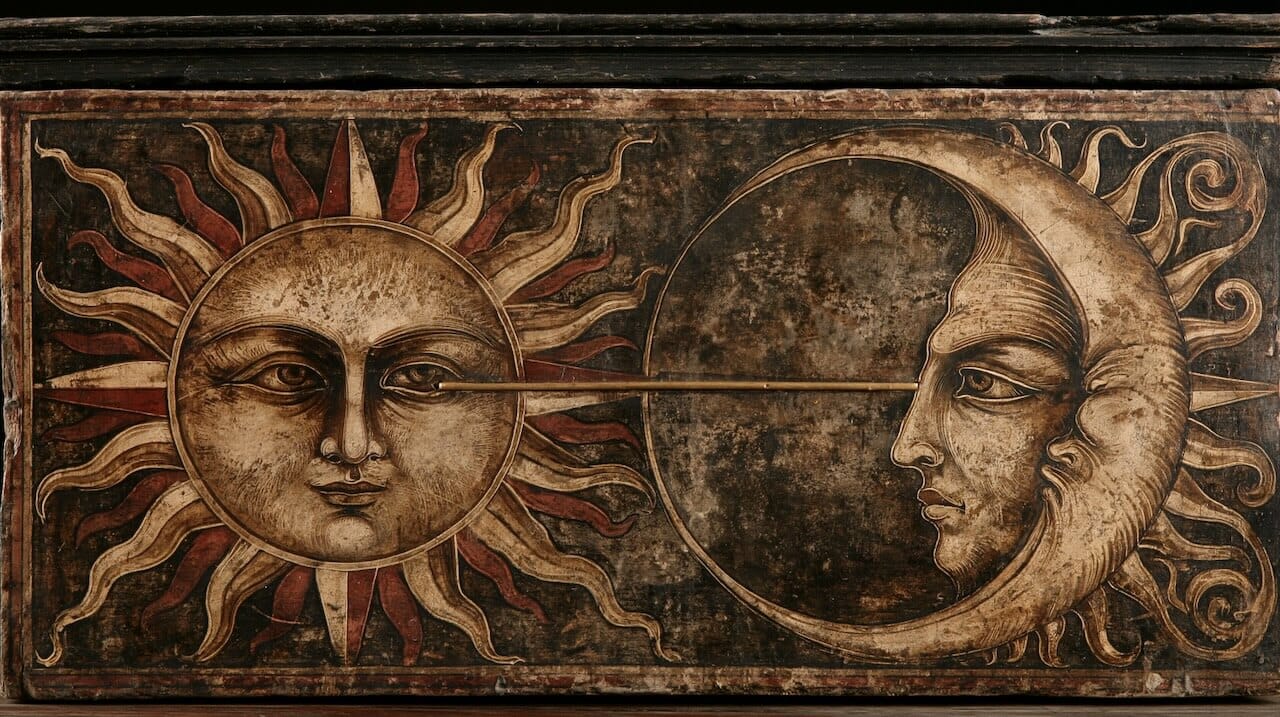
Jungian depth psychology names what governs a life beneath conscious control. The shadow, the complexes, the projections, the archetypes, the long process of individuation. It is the most precise account the West has given of the inner world. I read culture, relationships, and public life through the same lens I turn on myself. I belong to no camp in doing so.
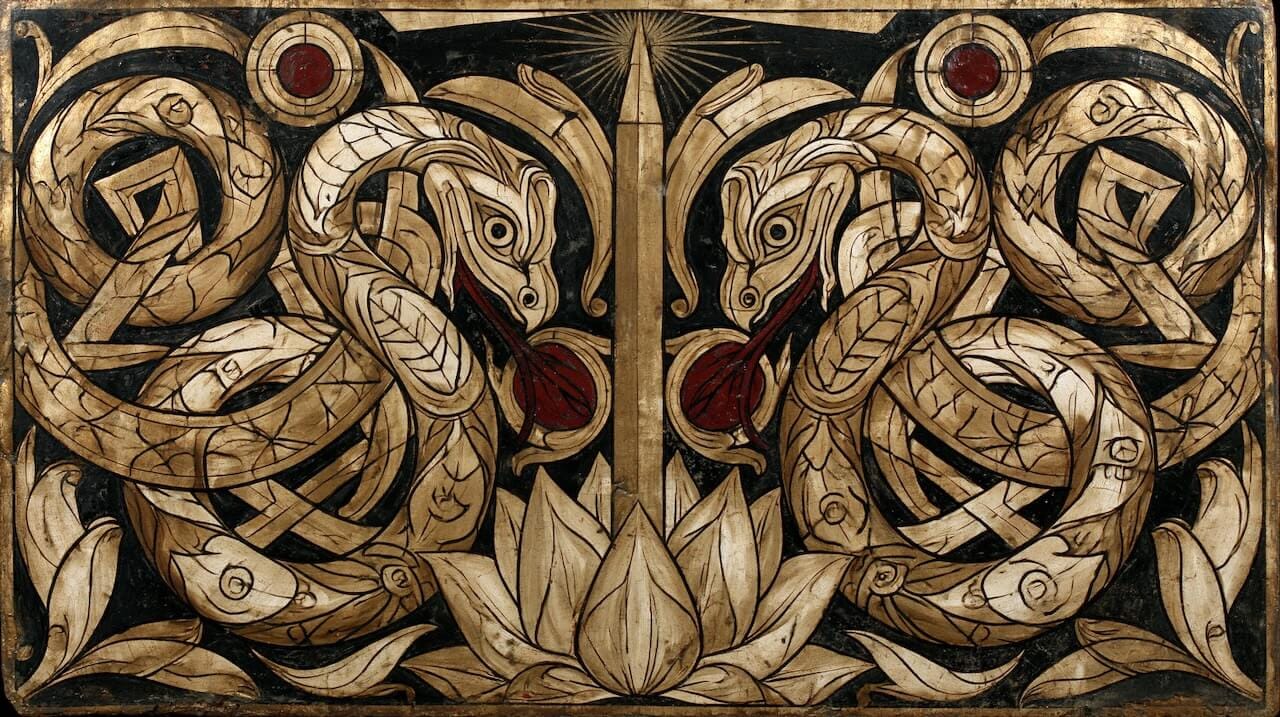
In the tradition I work within, yoga is not fitness and meditation is not relaxation. Together they form a complete system for working with consciousness through the body, the breath, and attention. It has a clear structure that leads from concentration to deep absorption. Posture is the doorway, not the destination. This is the practice that turns understanding into direct knowledge.
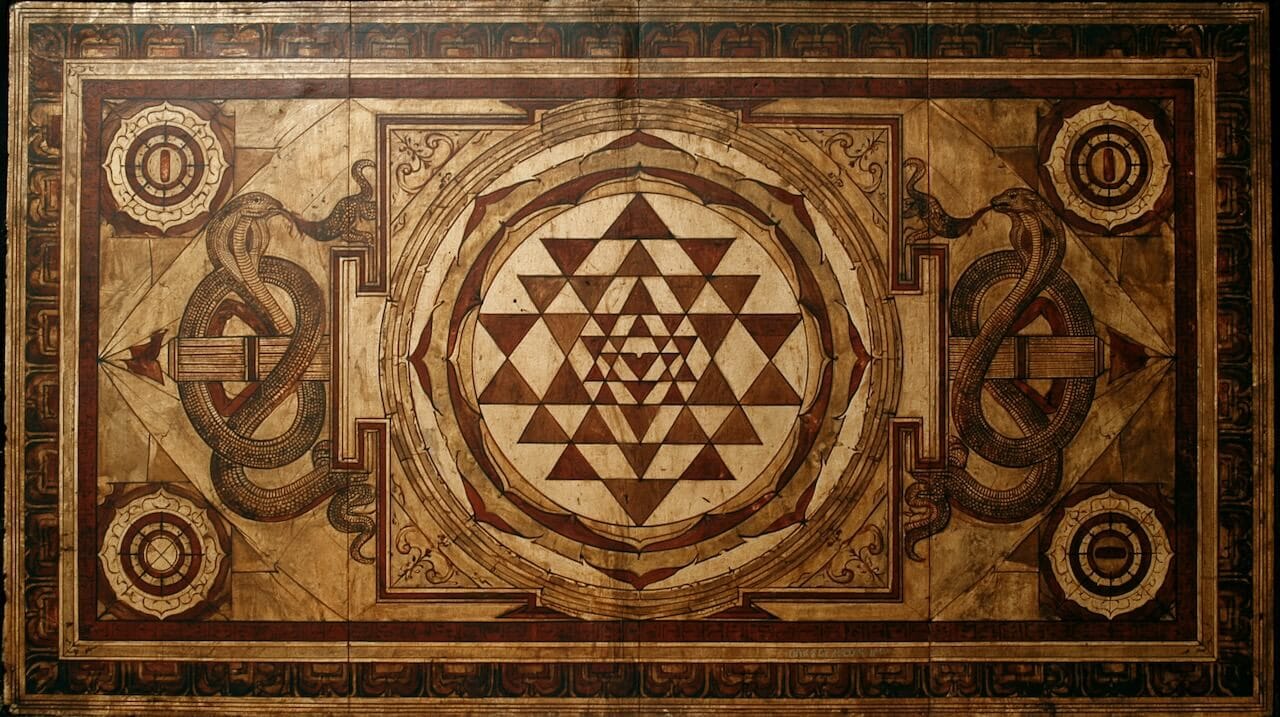
Myth is the language the psyche uses to speak about itself. The hero's journey and the figures of the Greek, Norse, and folk traditions describe the same inner movements at work in us now. Tantra, in its true lineage rather than its Western distortion, is largely ritual and symbol. It is that same language lived rather than read. Both begin where rational words fail and only image and paradox can carry the meaning.
In the darkness of the unconscious lie not only your demons,
but your gifts, your calling, and your meaning.
DANIEL PAULUS
What this is, and what it is not
This is not a wellness site, and it does not promise that you will feel better soon. It is for people who have read enough, practised enough, or suffered enough to suspect that the usual answers are only half the picture. People who have spent years examining themselves and changed less than they hoped. People who practise yoga or meditation and feel a deeper layer the class never mentions. People in a crisis of meaning, of identity, or of direction that does not yield to thinking harder. I do not trust the wellness and spiritual bubble, and I do not trust secular reductionism either. I name the mechanism where I see it. I do not judge the person.
The world and the inner world
For twenty years I built a career in senior management in international corporations, and businesses of my own. Over the same years, I did sustained inner work, psychological and spiritual. I am not a teacher who never lived in the world. I succeeded in it, and I went deep at the same time. I do not believe the two are opposed.
The writing
For years I have written in Czech, dozens of essays and a full library of work on these subjects. In English I am at the beginning, publishing on Substack and translating and rebuilding that body of work here over time. The essays read psychological and cultural questions through these two traditions. I write about shadow work as Jung actually meant it, not as self-help has repackaged it, about what the yoga tradition holds beyond the physical posture, and about the places where the map most people are handed simply ends. If you want a sense of how I think, that is where to start.
Working together
For now I offer one thing in English. It is individual guidance, one person at a time, and it is neither therapy in the clinical sense nor coaching. It is sustained work with someone in the middle of something that matters, drawing on both traditions rather than either one alone. Most of my work is with Czech and Slovak clients, where my wife Kristýna and I have run a full school for ten years. In English I take only a small number of people, currently held by a waitlist, and a short introductory conversation always comes first.
What is coming
In Czech, my wife Kristýna and I run a full school of courses, a community, and consultations. In English, that is still being built, slowly and deliberately, over years rather than months. A course on meditation as a discipline, not as relaxation, is in preparation. A course on shadow work, grounded in Jung rather than in self-help, will follow. I am not promising dates. If you want to know when these open, the writing is the place to follow.